
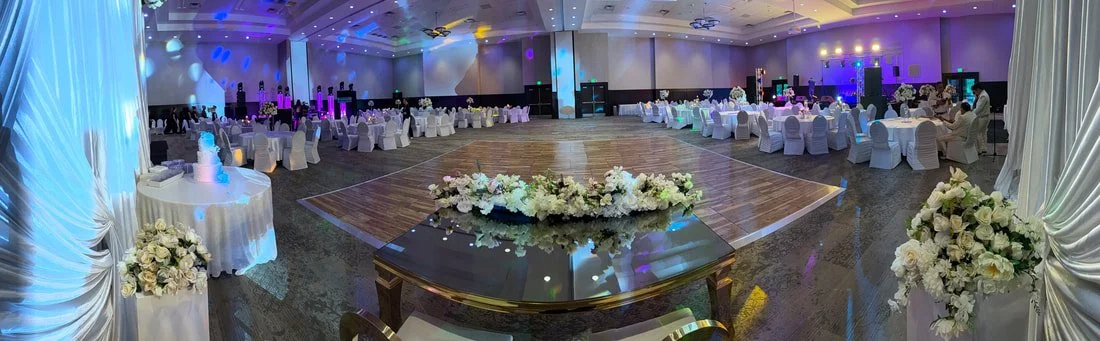
Your wedding day is one of the most memorable days of your life — filled with love and loved ones, celebration and reflection — amidst a joyful whirlwind of events. But without a clear, well-thought-out timeline, even the most meticulously planned weddings can run into unexpected and unwelcome hiccups.
A wedding day timeline is the unsung hero of a seamless celebration, ensuring everyone knows where to be and when, while also making sure you haven’t accidentally overlooked any important elements you meant to include. Whether you're planning an intimate elopement or a grand celebration, here's what you need to know to create a timeline that keeps your big day running smoothly.
Why a Wedding Day Timeline Matters
A wedding day timeline is more than a checklist — it's a roadmap. It keeps vendors, your wedding party, and even guests on the same page. When done right, a timeline reduces stress, builds in time for the unexpected, and ensures you’re actually able to enjoy your day without constantly checking the clock.
Sample Wedding Day Timeline (Traditional Ceremony & Reception)
Below is a sample timeline for a wedding that starts at 4:00 PM and includes a first look, ceremony, cocktail hour, and reception:
10:00 AM – Hair and Makeup Begins
Bridesmaids and the bride start getting ready. Pro tip: the bride should go last to keep her look fresh.
12:00 PM – Photographer Arrives
The photographer starts capturing detail shots (dress, rings, invitations, flowers, décor, etc.) and candid moments. Pro tip: Be sure your photographer has a list of your “must have” shots.
1:30 PM – Getting Dressed
Bride gets into her dress, usually with the help of her maid of honor and/or mom. The groom begins getting ready separately. First looks for wedding parties are becoming popular and can be done when the bride’s and groom’s attire is complete, before the couple enjoys their official first look.
2:00 PM – First Look and Couple Portraits
This intimate moment also allows for portraits while attire, make-up, hair, etc. is still fresh and before the day gets hectic, feet start hurting, and the couple feels pulled in a dozen directions. Pro tip: Some couples also choose this private time to share their own written vows with each other.
2:30 PM – Wedding Party Photos
Get photos with bridesmaids and groomsmen out of the way while everyone is fresh.
3:30 PM – Hideaway Time / Guest Arrivals Begins
The couple and wedding party take a break and share some final pre-ceremony moments together while guests start arriving.
4:00 PM – Ceremony
The big moment! Allow 30–45 minutes depending on the ceremony type.
4:45 PM – Cocktail Hour
Guests mingle while the couple takes family photos (if not done earlier). If the venue needs to flip the ceremony space to use as reception space, the cocktail hour buys time for staff to do so.
6:00 PM – Reception Begins
Grand entrance, followed by dinner and toasts. Pro tip: A DJ or emcee is one of the most important elements of your reception; not just for musical entertainment, but even more so to guide the guests through the timeline to ensure the event flows as planned.
7:30 PM – First Dance & Parent Dances
Followed by open dancing and entertainment.
9:00 PM – Cake Cutting & Dessert
Optional late-night snacks can also be served at this time.
10:30 PM – Last Dance / Grand Exit
End the night on a high note with a planned exit — think sparklers or a vintage car getaway.
Timeline Tips by Event Type
First Look or No First Look?
A first look allows for more flexible photography and a private moment pre-ceremony. Without it, you'll need to schedule more photo time during cocktail hour.Church Ceremonies:
Factor in travel time if your ceremony and reception are in different locations. Add buffer time for guests to transition between venues.Sunset Photos:
Check the sunset time and build in 15–20 minutes for romantic golden hour portraits.Cultural Traditions:
If your wedding includes additional customs (like tea ceremonies or Baraat processions), factor those into the timeline with ample breathing room.
No two weddings are alike. Your timeline should reflect the flow that feels most authentic to you. Work closely with your planner or coordinator, communicate with your vendors, and build in buffer time wherever possible (especially for cultural weddings).
Most importantly, once the day arrives, let go of the schedule and soak it all in. A solid timeline gives you the freedom to be fully present, knowing everything is unfolding just the way you planned.