
Planning the Perfect Corporate Event
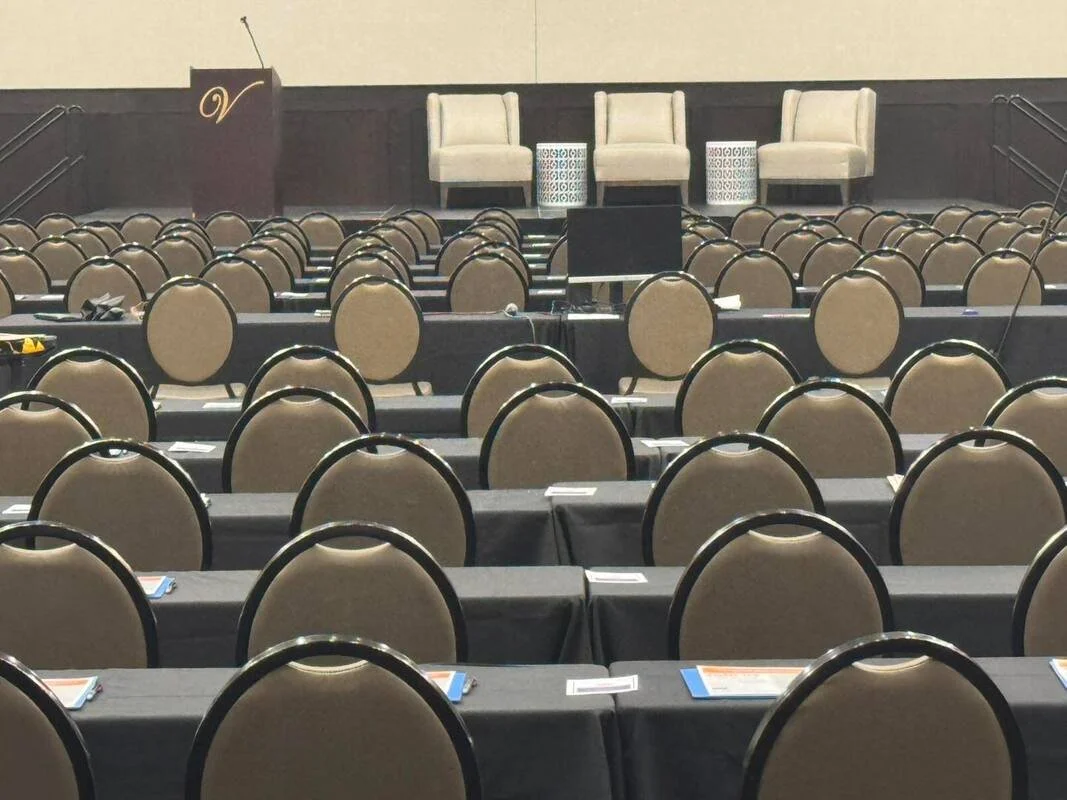
Planning a well-executed and meaningful corporate event requires meticulous preparation, top-notch organizational skills, admirable patience, and a dash of creativity. Whether arranging a conference, a product launch, or a leadership retreat, the key to its success lies in careful and thorough planning and communication. This checklist hits the highlights of ensuring your corporate event is seamless and impactful.
Define Your Goals and Objectives
Determine the purpose of your event before diving into the logistics. Are you looking to boost employee morale, launch a new product, or strengthen client relationships? Clearly defining your goals will help shape your event’s structure, content, and budget.
Establish a Budget
Your budget dictates many aspects of the event, including venue selection, catering, entertainment, speakers & panelists, and promotional materials. Outline all potential expenses and pre-allocate funds to avoid overspending while also ensuring a quality experience for attendees. But remember, a budget is just a roadmap. Don't be afraid to adjust as real-time quotes are received in order to stay within your bottom line total figure.
Select the Right Venue
The venue sets the tone for your event. Consider factors such as location, capacity, accessibility, available amenities, and reputation for service. Perhaps you’d like to offer both in-person and virtual attendance options? Then make sure the venue you select can accommodate both formats. Most venues, including The Venue at Lenoir City, are happy to book a tour and discuss preliminary details with you and/or your team. Then, you can feel comfortable booking in advance to secure your preferred venue and ensure it aligns with your event’s budget, theme and objectives.
Create a Timeline and Checklist
Develop a detailed timeline or “run of show,” mapping out all major milestones, before, during, and after the event. Examples include vendor bookings, save-the-date and invitation distribution, the program itself, load-in/load-out details, and even thank-you notes. A checklist will keep your planning process organized and prevent last-minute oversights that can cause hiccups or unnecessary stress.
Organize Logistics
Arrange for essential services such as audiovisual equipment, transportation, catering, sponsorships, etc.. Many venues, including The Venue at Lenoir City, are happy to assist with providing or procuring these services on your behalf. Special needs, such as handicapped parking & accessibility or dietary restrictions should be considered and accommodated during this step as well. Confirm all vendor contracts well in advance and conduct a walkthrough of the venue to ensure all logistics are in place.
Develop an Engaging Program
Your event’s agenda should be informative and engaging. Plan a mix of keynote speakers, interactive sessions or activities, and networking opportunities to keep attendees interested. Offering door prizes is a sure way to create energy in the room. Be sure to allow for adequate breaks. Consider incorporating technology, such as live polling or event apps, to enhance engagement.
Market Your Event
Promote your event through email campaigns, social media, company newsletters or intranet pages, and any other avenues frequently used to disseminate information throughout company or within the target attendee pool. The details should be easily accessible and complete, leaving potential attendees with no questions about who, how, what, where, or why to attend. If the event is open to the public, leverage press releases and digital advertising to reach a wider audience. A well-thought-out marketing strategy ensures maximum attendance and visibility.
Manage Registrations and Attendee Experience
Use an online event registration platform to streamline sign-ups and collect attendee data. Consider offering early registration incentives to prevent potential attendees from waiting to sign-up at the last minute. On the event day, provide clear signage, welcoming staff, and a well-organized check-in process to ensure a smooth experience.
Prepare for Contingencies
Unexpected challenges can arise at any event. Have a backup plan for technical failures, weather changes (for outdoor events), and last-minute cancellations. A well thought out contingency plan will help you navigate unforeseen issues efficiently and with as little drama and stress as possible.
Evaluate and Follow Up
After the event, gather feedback from attendees through surveys or direct conversations. Assess what worked well and identify areas for improvement. Follow up with attendees, send thank-you notes, and share event highlights to maintain engagement and reinforce relationships. Participating vendors – including the venue – will appreciate feedback being shared with them as well so they can only improve going forward.
Final Thoughts
A well-planned corporate event can strengthen company culture, enhance brand visibility, and create meaningful connections. By incorporating this checklist into your planning process, you can execute an event that is not only successful but also leaves a lasting impact on your attendees. Happy planning!